Welcome to visit changge city longyao machinery manufacturing co., ltd!

What process is used to manufacture car wheels? Are they durable?
2024-12-19
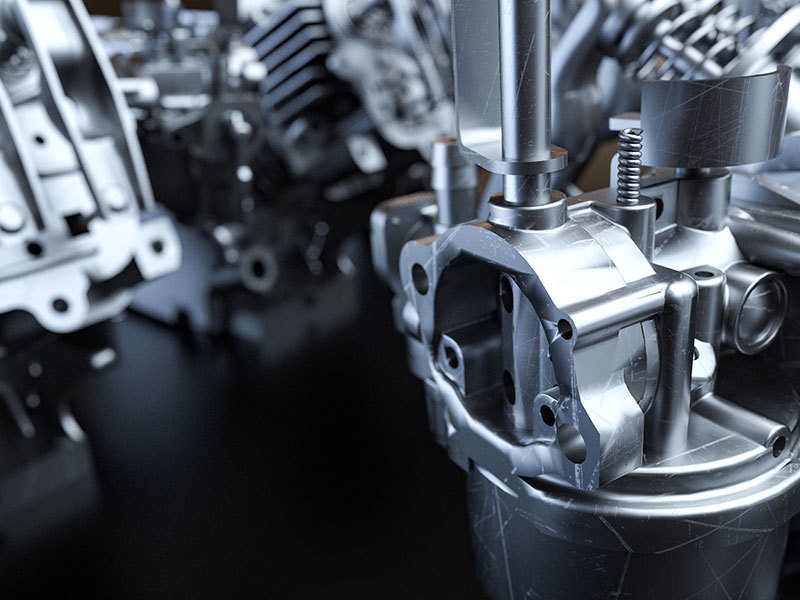
The manufacturing process of automotive wheels mainly includes casting and forging.
Casting involves melting aluminum alloy into a liquid state, pouring it into pre-made molds, and then demolding after the aluminum alloy cools and solidifies, followed by processes such as polishing and drilling. The casting process can be divided into gravity casting and low-pressure casting; the former relies on gravity to fill the mold, which is cost-effective but has lower strength, while the latter uses a certain pressure to inject molten aluminum into the mold, resulting in higher product quality but also higher costs.
Forging, on the other hand, involves directly pressing solid aluminum blocks into the shape of wheels within a mold. Since forging does not undergo the phase transition from solid to liquid and back to solid, the arrangement of metal molecules is denser, resulting in higher rigidity and greater density of forged wheels. Additionally, forged wheels can be made lighter through greater hollowing while maintaining strong rigidity.
In terms of durability, generally speaking, as long as they are used normally and excessive impacts are avoided, the lifespan of forged wheels is very long, even exceeding the vehicle's lifecycle. Although cast wheels are cheaper, their strength and durability are relatively inferior.
In summary, the choice of manufacturing process for automotive wheels depends on specific needs and budget.

Contact Us
E-mail:
Phone/WeChat:
Address:
Xiyang Industrial Park, Pohu Town, Changge City, Henan Province


