Welcome to visit changge city longyao machinery manufacturing co., ltd!


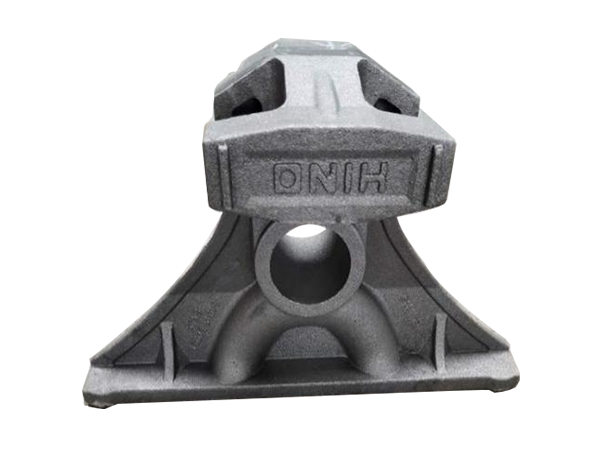
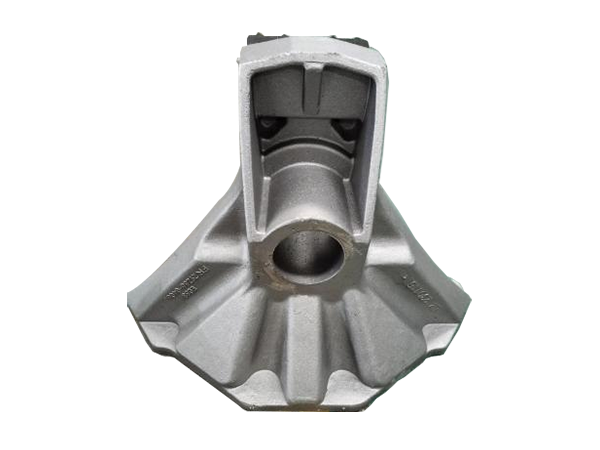
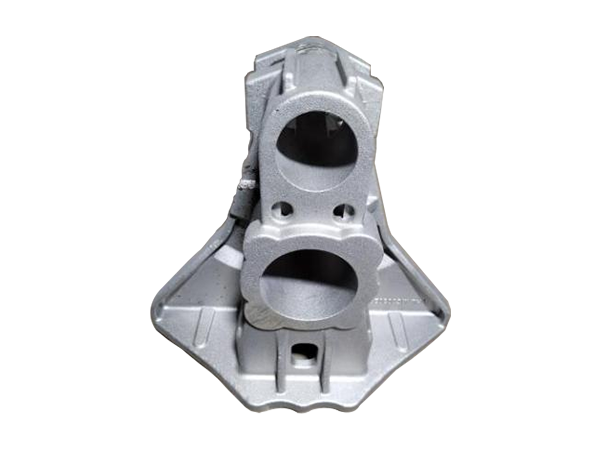
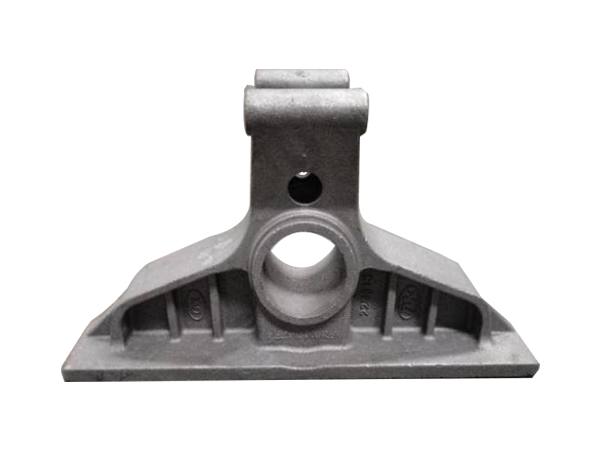
The steering knuckle, also known as "horn", is a key component on the steering bridge of engineering machinery. Its main function is to transmit and bear the load at the front of the vehicle, supporting and driving the front wheels to rotate around the kingpin, thus achieving the steering operation of the vehicle. Below is a detailed introduction to the steering knuckle:
1. Structural Characteristics
The steering knuckle is generally fork-shaped, with a complex structure that integrates the characteristics of four types of parts: shaft, sleeve, disc ring, and fork frame. It mainly consists of three major parts: the supporting shaft neck, flange plate, and fork frame.
2. Functional Role
Bearing Load: During the driving process of the vehicle, the steering knuckle needs to withstand variable impact loads, so it must have high strength.
Achieving Steering: The steering knuckle is connected to the vehicle body through the kingpin, allowing the front wheels to deflect around the kingpin at a certain angle, thus achieving the steering of the vehicle.
3. Types
According to whether there is significant elasticity in the twisting direction, the steering knuckle can be divided into rigid steering knuckles and flexible steering knuckles. Rigid steering knuckles transmit power through the hinge-like connection of parts, while flexible steering knuckles transmit power through elastic parts, providing cushioning and vibration reduction.
As a core component in engineering machinery, the performance and quality of the steering knuckle directly relate to the maneuverability and safety of the entire vehicle, making it an indispensable important part of engineering machinery.
Keywords
Steering knuckle
Contact Us
Classification